Design of Web: The Definitive Guide for 2025

Hi, I'm James
I help startups turn confusing websites into conversion-ready ones in under 30 days.
100+ projects delivered
Worked with funded startups
Framer + UX specialist
7-Minute Website Fix Guide
Instant, high-impact fixes to improve clarity, trust, and conversions on your website.
View Our Services
Fast, high-quality Framer builds or Product Design to help startups ship and scale confidently.
Design Resources
Premium components, frameworks, and overrides for faster, better builds.
The digital landscape never stands still. Every year, new tools and expectations redefine what makes a website truly exceptional. Are you prepared for the next evolution?
The digital landscape never stands still. Every year, new tools and expectations redefine what makes a website truly exceptional. Are you prepared for the next evolution?
This guide is your essential resource for mastering the design of web in 2025. We break down the core principles, emerging technologies, and strategies you need to create high-performing, future-ready sites.
Inside, you’ll discover how to apply user-centric design, leverage AI, embrace the latest UX/UI trends, and ensure accessibility for all. Real-world examples and actionable steps make it practical for designers, startups, and businesses alike.
Stay ahead of the curve. Explore the future of the design of web—your blueprint for digital excellence starts now.
Core Principles of Modern Web Design
The design of web has evolved into a sophisticated discipline, centered on creating seamless and impactful digital experiences. As we approach 2025, understanding the core principles behind high-performing sites is essential for anyone seeking to stand out online. Modern web design is built on a foundation of user empathy, clarity, adaptability, accessibility, and emotional connection.
Emphasis on User-Centric Design
User-centricity is the heart of the design of web. Every decision, from layout to interaction, should begin with a deep understanding of user needs and behaviors. Human-centered approaches ensure that interfaces are intuitive and enjoyable.
Recent studies show that 88% of users won’t return to a site after a poor experience. This highlights the risk of ignoring user-centric design. Companies like Airbnb have embraced iterative UX testing, allowing them to adapt quickly and retain users.
By making user goals the priority, the design of web becomes not just functional but delightful. This principle is non-negotiable for building lasting engagement and driving business results.
Visual Hierarchy and Minimalism
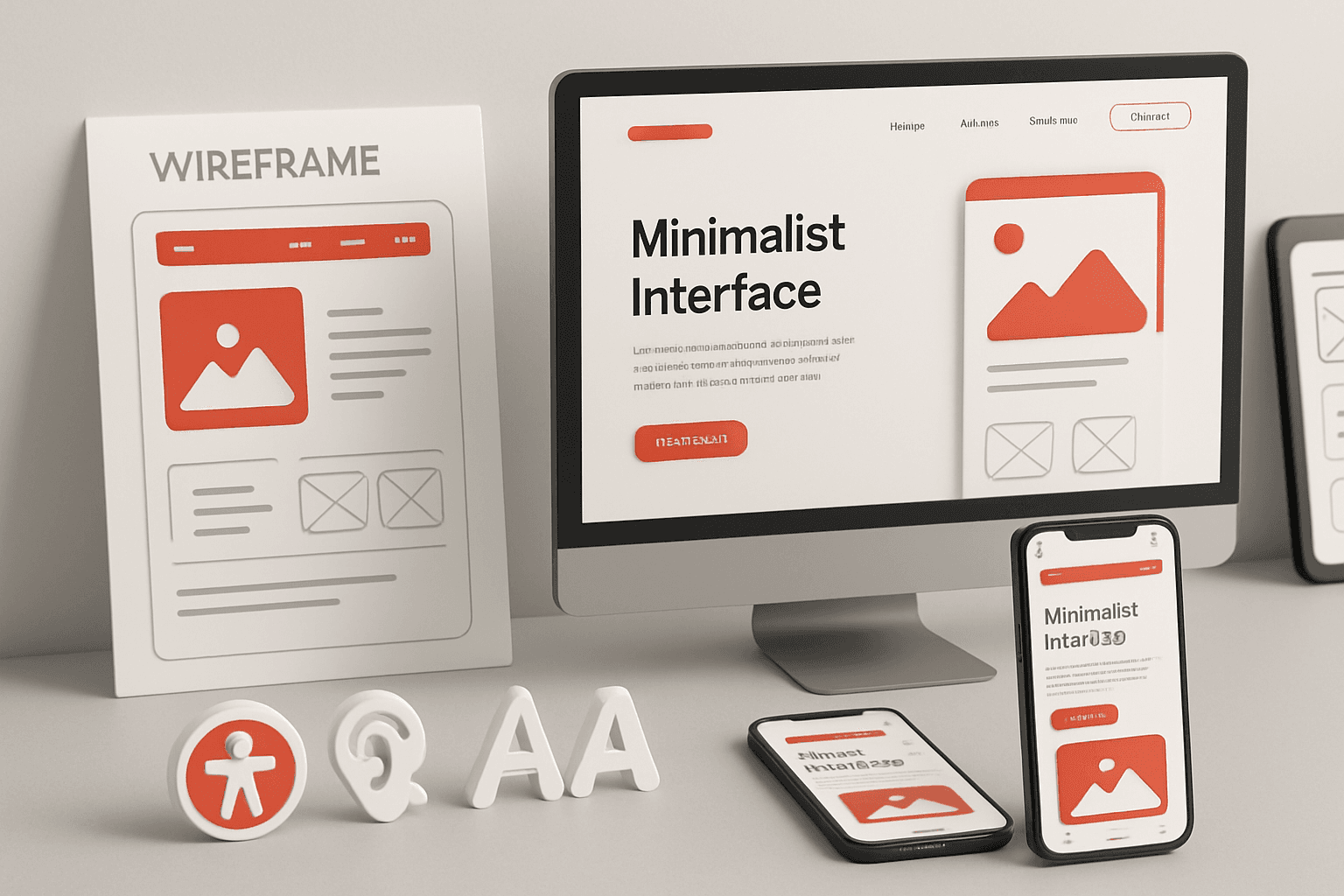
A strong visual hierarchy helps users navigate content effortlessly. Clean layouts, generous whitespace, and logical organization guide the eye and reduce cognitive overload. Minimalism, when applied thoughtfully, increases conversion rates by up to 26%.
Apple’s product pages are a prime example—each element serves a purpose, and distractions are minimized. Notably, Minimalist designs result in 50% faster load speeds, boosting both user satisfaction and SEO.
In the design of web, striking a balance between simplicity and clarity is key. Focused content and structured layouts ensure users find what they need without friction.
Responsiveness and Mobile-First Thinking
More than 55% of all web traffic now originates from mobile devices. The design of web must accommodate this shift by prioritizing mobile-first approaches. Responsive frameworks adjust layouts, images, and interactions for every screen size.
Google’s mobile-first indexing underscores the standard: sites that ignore mobile usability risk losing both ranking and audience. Responsive design ensures consistency, accessibility, and optimal performance across devices.
Designers should prototype for mobile first, then scale up for larger screens. This ensures that the design of web remains adaptive and future-proof.
Accessibility as a Non-Negotiable
Accessibility is no longer optional in the design of web. With 1 in 4 adults in the US living with a disability, inclusive practices have become a baseline expectation. WCAG 2.2 compliance guides designers in making digital spaces usable for everyone.
The BBC’s accessible navigation is a benchmark—clear labels, keyboard navigation, and strong contrast make content available to all. Implementing ARIA roles, semantic HTML, and alternative text further extends reach.
Prioritizing accessibility not only fulfills ethical and legal requirements but also broadens the potential audience for any web project.
Brand Storytelling and Emotional Engagement
Storytelling breathes life into the design of web. Visual narratives and consistent branding create memorable experiences that set businesses apart. Emotional engagement builds trust, loyalty, and advocacy.
Nike’s immersive brand sites exemplify this approach—rich visuals, compelling copy, and interactive journeys deepen user connection. Consistency across touchpoints reinforces brand identity and inspires action.
Incorporating storytelling elements transforms the design of web from transactional to transformational, ensuring brands resonate in a crowded digital landscape.
Emerging Technologies Shaping Web Design in 2025
The design of web is rapidly transforming as new technologies emerge. In 2025, staying ahead means understanding and adopting these tools to create more engaging, efficient, and personalized digital experiences. Let’s explore the innovations shaping the future of web design.
AI-Powered Personalization
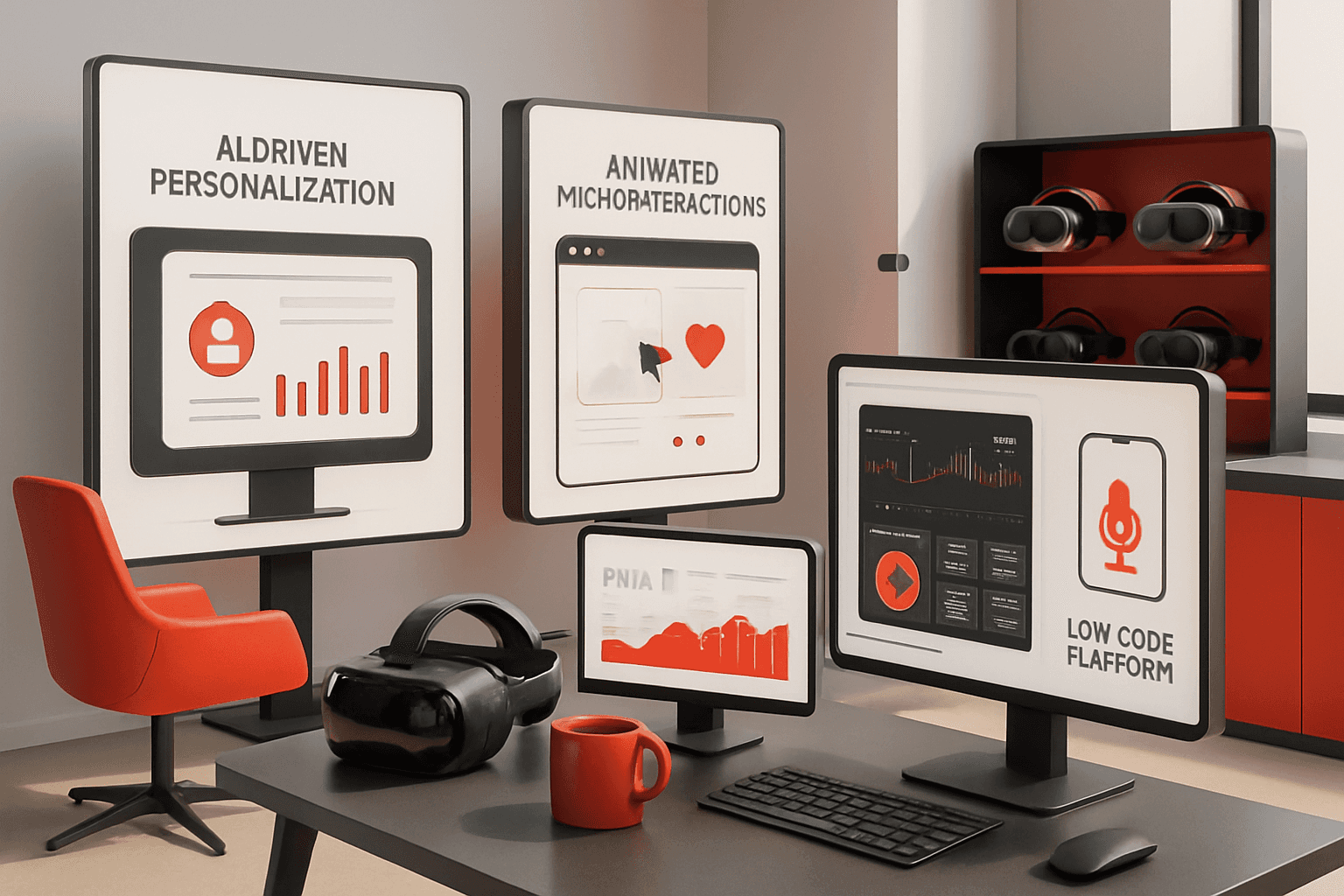
Artificial intelligence is redefining the design of web by enabling hyper-personalized experiences. Modern websites analyze user data in real time to recommend content, adjust layouts, and deliver targeted offers. Dynamic chatbots and intelligent search further streamline user journeys.
According to Epsilon, 80% of users are more likely to buy from brands offering personalized experiences. Netflix’s AI-powered recommendation engine is a prime example, adapting its interface to each viewer’s preferences. For a deeper dive into how AI is revolutionizing digital design, explore this guide on AI website design in 2025.
AI-driven personalization is now a core requirement in the design of web, setting a new standard for engagement and retention.
Advanced Motion and Microinteractions
Motion is no longer just decorative in the design of web. Subtle animations and microinteractions enhance usability, provide instant feedback, and delight users. Tools like Lottie, GSAP, and Framer Motion make it easier to implement smooth transitions and engaging effects.
Stripe’s interactive payment forms showcase how motion can clarify user actions and boost confidence. Microinteractions, such as animated buttons or progress bars, guide users intuitively through complex tasks.
Well-executed motion in the design of web keeps users engaged and helps brands stand out in a crowded digital landscape.
Voice and Conversational Interfaces
Voice technology is reshaping the design of web interfaces. By 2025, experts predict that half of all searches will be voice-based. Integrating voice commands and conversational chatbots allows users to navigate sites hands-free and receive instant assistance.
Google Assistant integration demonstrates how voice can streamline user journeys and improve accessibility. Conversational interfaces also open new possibilities for personalized support.
Voice-driven features are becoming essential to the design of web, enabling more natural and efficient interactions.
AR/VR and Immersive Experiences
The design of web is expanding into immersive realms with AR and VR. Augmented and virtual reality enable interactive product demos, virtual tours, and engaging storytelling. Statista projects 1.7 billion mobile AR users by 2025.
IKEA Place’s AR app lets customers visualize furniture in their own homes, increasing confidence and reducing returns. Virtual showrooms and immersive brand experiences are becoming a powerful differentiator.
Integrating AR/VR into the design of web creates memorable experiences that connect users emotionally to brands.
Progressive Web Apps (PWAs) and Offline Functionality
Progressive Web Apps are bridging the gap between traditional websites and native apps in the design of web. PWAs offer offline access, push notifications, and fast loading, making them ideal for mobile-first audiences.
According to Forbes, PWAs can boost mobile sessions by up to 68%. Starbucks’ PWA delivers a reliable, app-like experience even in low-connectivity environments. Key features include installability, background sync, and seamless updates.
Implementing PWAs ensures the design of web meets user expectations for speed and reliability in 2025.
Low-Code/No-Code Platforms
Low-code and no-code platforms are democratizing the design of web. Tools like Webflow, Framer, and Bubble empower non-developers to build complex, responsive sites without writing code.
Gartner forecasts that by 2025, 65% of app development will use low-code or no-code solutions. Small businesses and startups can quickly launch, iterate, and scale their digital presence. Framer’s intuitive interface enables rapid prototyping and deployment.
These platforms are accelerating the design of web, making innovation accessible to everyone.
UX/UI Trends and Best Practices for 2025
The design of web is entering a new era, where user expectations and technology continue to evolve at a rapid pace. Staying ahead means understanding the latest UX/UI trends and integrating best practices that prioritize both form and function. In 2025, the design of web is defined by adaptability, inclusivity, and a relentless focus on user satisfaction.
Dark Mode and Customizable Themes
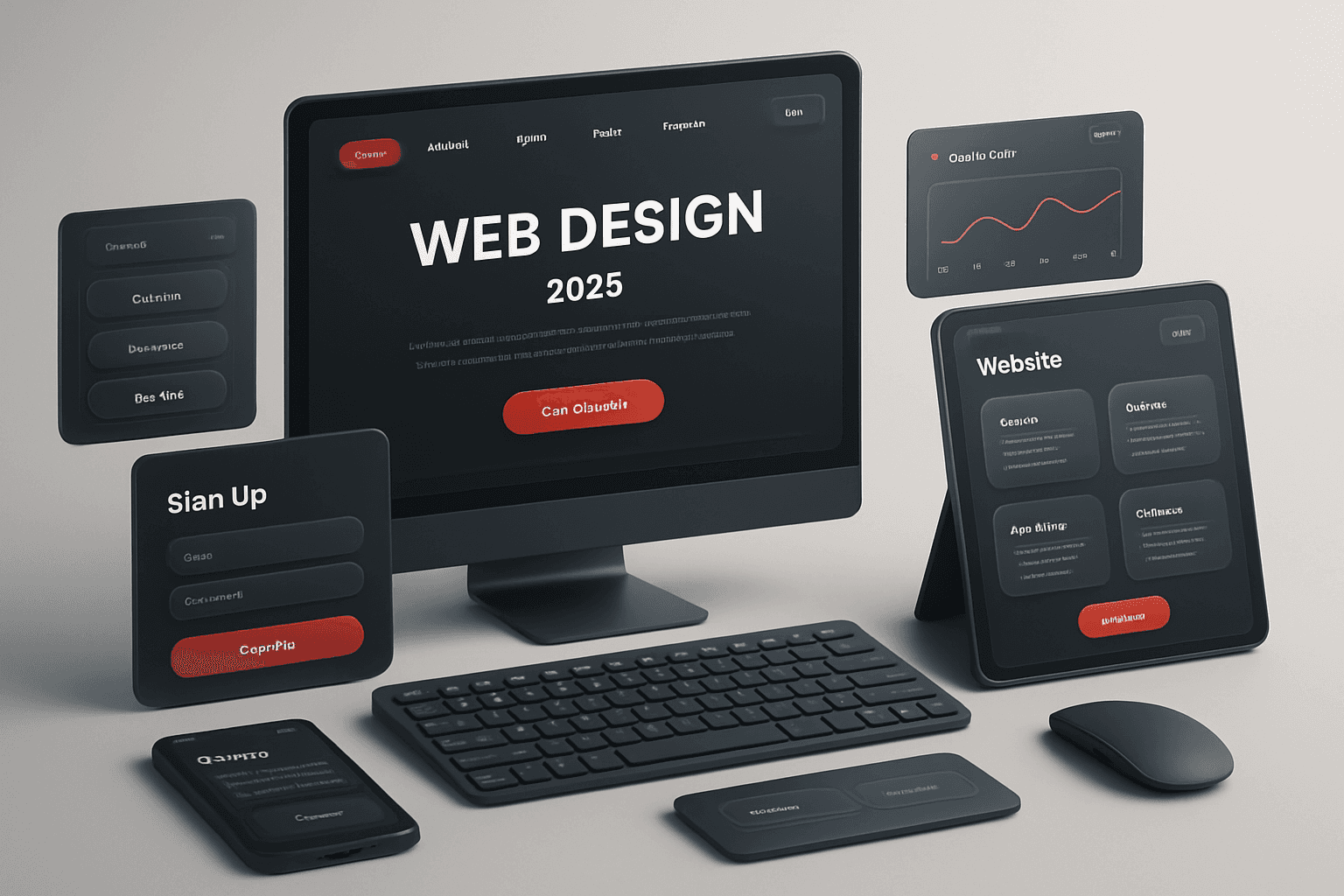
User demand for visually comfortable browsing is driving the widespread adoption of dark mode and customizable themes. Studies show that 81.9% of users now prefer dark mode on their devices, making it a standard feature in the design of web projects.
Customizable themes empower users to adjust interfaces to their visual preferences, supporting both accessibility and personalization. This is essential for brands aiming to reach diverse audiences and reduce visual fatigue.
Dark mode reduces eye strain and battery usage on OLED screens.
Theme customization boosts engagement and inclusivity.
Consistent use of color and contrast supports branding and usability.
Prioritizing these features in the design of web ensures that websites are both attractive and user-friendly for a broad spectrum of visitors.
Neumorphism, Glassmorphism, and New Aesthetics
The visual language of the design of web is shifting toward softer, more tactile interfaces. Neumorphism introduces subtle shadows and highlights, giving buttons and cards a “soft UI” effect. Glassmorphism, popularized by platforms like macOS Big Sur, layers frosted glass-like elements with vibrant backgrounds for a modern, immersive feel.
These aesthetics blend realism with minimalism, creating interfaces that feel both intuitive and futuristic. For a deeper dive into these evolving principles, explore Advanced UI design concepts 2025.
Neumorphism enhances tactile feedback.
Glassmorphism adds depth and hierarchy.
Blending styles creates unique brand identities.
Adopting these trends in the design of web helps brands stand out in a crowded digital landscape while improving user engagement.
Advanced Typography and Variable Fonts
Typography is more than just legibility—it’s a core driver of the design of web. In 2025, responsive and expressive typefaces are essential for brand differentiation and optimal readability across devices.
Variable fonts allow for dynamic weight and width adjustments, reducing load times and enhancing performance. This flexibility ensures that text always appears crisp and accessible, regardless of screen size.
Responsive type adapts to any device.
Advanced typography creates visual hierarchy.
Variable fonts improve loading speeds.
Prioritizing these elements in the design of web not only elevates aesthetics but also ensures content is accessible to all users.
Data-Driven Design Decisions
The design of web is increasingly informed by real user data. Analytics, heatmaps, and A/B testing offer actionable insights into how visitors interact with digital products.
By leveraging data, companies can iterate quickly, refine interfaces, and make evidence-based decisions that directly impact conversion rates and user satisfaction.
Analytics tools reveal pain points.
A/B testing validates design changes.
Heatmaps highlight popular interface areas.
This approach ensures the design of web remains user-centric, continuously evolving to meet audience needs.
Inclusive and Ethical Design
Inclusivity is now a non-negotiable standard in the design of web. Ethical design practices prioritize neurodiversity, cognitive accessibility, and transparent data use.
Brands like Microsoft set the bar high with toolkits that address a wide range of user needs. By designing with empathy, businesses foster trust and loyalty among diverse audiences.
Accessible interfaces serve all users.
Ethical practices promote trust.
Inclusive design supports legal compliance.
Embedding these values in the design of web future-proofs digital experiences and aligns with global accessibility standards.
Streamlined Navigation and Mega Menus
Complex websites demand intuitive navigation. In 2025, the design of web emphasizes streamlined menus and clear information architecture.
Mega menus simplify access to deep site structures, making it easy for users to explore content without feeling overwhelmed. Shopify’s recent redesign is a prime example of effective mega menu implementation.
Streamlined menus reduce cognitive load.
Mega menus improve content discoverability.
Clear navigation enhances retention.
Well-structured navigation is fundamental for positive user experiences in the design of web.
Authentic Imagery and AI-Generated Visuals
Visual authenticity is shaping the design of web. There’s a decisive move away from generic stock photos toward images that feel real, relatable, or are generated by AI tools.
Platforms like Canva now offer AI-powered image creation, allowing brands to generate unique visuals tailored to their identity and audience.
Authentic imagery builds trust.
AI-generated visuals enable rapid prototyping.
Unique visuals differentiate brands.
By leveraging these innovations, the design of web becomes more engaging, memorable, and aligned with user expectations.
Performance, SEO, and Accessibility Optimization
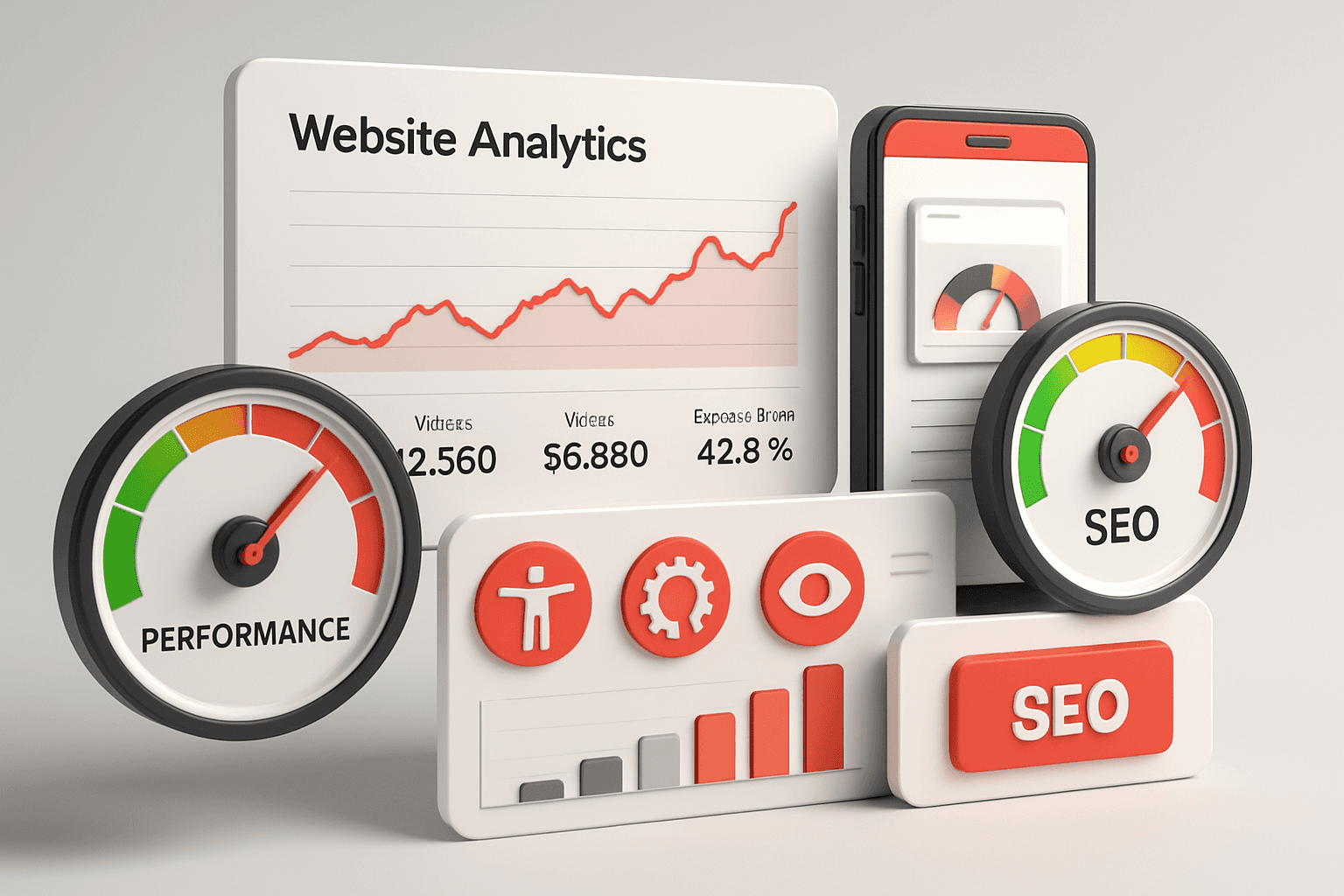
Delivering a seamless, accessible, and high-performing website is non-negotiable in the modern design of web. Users expect instant access, smooth interactions, and inclusive experiences. In fact, web design influences 94% of first impressions, underscoring the need for ongoing optimization in every aspect of site creation.
Core Web Vitals and Speed Optimization
Google’s Core Web Vitals—Largest Contentful Paint (LCP), First Input Delay (FID), and Cumulative Layout Shift (CLS)—are essential benchmarks for the design of web. Sites must load swiftly and respond instantly to user actions. Research shows that 53% of users abandon sites taking longer than three seconds to load.
To boost performance:
Optimize images and media.
Minimize render-blocking resources.
Implement lazy loading for offscreen content.
BBC’s performance improvements offer a real-world example of how small changes can make a significant impact.
Technical SEO for Modern Web Design
Technical SEO is the backbone of discoverability in the design of web. Proper use of semantic HTML, structured data, and crawlable navigation ensures search engines can index your content efficiently. JavaScript frameworks, when misconfigured, can hinder SEO efforts, but modern solutions like Next.js enable server-side rendering for better search visibility.
Key technical SEO tactics:
Use descriptive meta tags and alt attributes.
Generate XML sitemaps.
Avoid duplicate content with canonical URLs.
A well-structured website is a foundation for organic growth.
Accessibility Audits and Tools
Accessibility is an integral component of the design of web, ensuring everyone can access and interact with your site. Automated and manual audits help identify barriers for users with disabilities. Tools like Axe, Lighthouse, and WAVE provide actionable insights for compliance.
Best practices include:
Testing with screen readers.
Providing sufficient color contrast.
Ensuring keyboard navigation.
The GSA’s thorough accessibility audits demonstrate the value of regular testing and iteration.
Mobile Optimization and Responsive Testing
With mobile devices accounting for most web traffic, mobile optimization is a pillar of the design of web. Responsive layouts, proper viewport scaling, and touch-friendly targets are crucial. Testing across a range of devices and screen sizes reveals usability issues early.
Consider:
Flexible grid systems.
Adaptive images for different resolutions.
Prioritizing content for mobile users.
Shopify’s mobile-first redesign highlights the effectiveness of this approach.
Visual and Content Accessibility
The visual and content aspects of the design of web must be accessible to all users. Clear color contrast, readable fonts, and comprehensive alt text are critical. Adhering to accessibility guidelines like those from GOV.UK ensures consistency and inclusivity.
Checklist for visual accessibility:
Maintain minimum contrast ratios.
Use scalable, legible fonts.
Provide descriptive alt text for images.
Accessible content is not just ethical; it’s a competitive advantage.
Continuous Monitoring and Analytics
Ongoing optimization in the design of web relies on continuous monitoring. Real-time analytics and user feedback loops enable rapid identification of issues and areas for improvement. Tools like Hotjar and Google Analytics deliver actionable insights.
Key steps:
Set up performance alerts.
Analyze user behavior with heatmaps.
Iterate based on data-driven decisions.
A commitment to monitoring ensures sustained website excellence.
The Future of Web Design: Predictions and Real-World Examples
The future of the design of web is unfolding rapidly, with innovation reshaping how users interact with digital spaces. As we approach 2025, designers and businesses must stay ahead by understanding the technologies and principles driving change. Let’s explore the trends, predictions, and practical examples that will define the next era of web experiences.
AI-Driven Design Automation
AI is set to automate much of the design of web by 2025. Tools powered by artificial intelligence can generate layouts, suggest color palettes, and even write content, reducing manual workload and accelerating project timelines.
Platforms like Wix ADI and Figma’s AI plugins are already automating repetitive design tasks. Adobe estimates that up to 70% of design work could be automated in the near future. This shift allows designers to focus on creativity and strategy, ensuring that the design of web projects remains innovative and user-centric.
Hyper-Personalization and Adaptive Interfaces
Personalization is transforming the design of web, enabling sites to adapt dynamically to individual user needs. AI-driven personalization customizes content, layouts, and user journeys in real time.
For example, Amazon’s homepage morphs based on user behavior, while Netflix’s recommendations are tailored by AI. Brands adopting these approaches see measurable results—AI-powered personalization boosts conversion rates by 35%. As adaptive interfaces become standard, the design of web will focus on delivering context-aware, seamless experiences for every visitor.
Sustainable and Green Web Design
Sustainability is emerging as a core consideration in the design of web. Eco-friendly hosting, optimized images, and reduced code bloat help minimize energy consumption. Lightweight assets and carbon-conscious design approaches are being adopted by agencies like Wholegrain Digital.
By 2025, expect more brands to prioritize green practices, integrating sustainability into their design of web strategies. This not only benefits the planet but also appeals to environmentally conscious users, enhancing brand reputation and trust.
Decentralized Web and Web3
Web3 technologies are decentralizing the design of web, enabling blockchain-powered authentication, secure data ownership, and decentralized content delivery. Projects like Ethereum Name Service (ENS) are paving the way for new forms of digital identity and peer-to-peer interaction.
Decentralization will impact how designers approach security, privacy, and user empowerment. As the design of web evolves, expect increased adoption of blockchain solutions and decentralized applications across industries.
Real-World Case Studies: Leading 2025 Web Designs
Let’s compare standout examples shaping the design of web in 2025:
Website | Industry | Key Innovation |
|---|---|---|
Amazon | E-commerce | Hyper-personalized homepage |
Wholegrain Digital | Agency | Sustainable, low-carbon design |
ENS | Web3 | Decentralized authentication |
Nike | Retail | Immersive brand storytelling |
These examples highlight how innovation, sustainability, and user-centricity are redefining the design of web.
Lessons Learned and Actionable Takeaways
Embrace AI and automation to boost efficiency.
Prioritize personalization for higher engagement.
Integrate green practices into every design of web project.
Explore decentralized tools for enhanced security and trust.
Study leading sites to inspire your next move.
By applying these lessons, you can future-proof the design of web and deliver exceptional experiences for years to come.
Step-by-Step Guide: Designing a High-Performance Website in 2025
Achieving a future-proof, high-performing site starts with a clear, actionable process. This step-by-step guide empowers you to master the design of web projects that deliver measurable results and lasting impact.
Step 1: Define Goals, Audience, and Brand Identity
Start your design of web project by clarifying your objectives. What do you want to achieve—higher sales, user engagement, or brand awareness? Conduct stakeholder interviews to align on business goals. Develop user personas to understand your target audience's needs, motivations, and challenges.
Map your brand identity using tools like story mapping or mood boards. Think about your brand’s voice, values, and visual style. Spotify, for example, uses detailed segmentation to tailor experiences for diverse audiences.
List:
Interview key stakeholders
Create detailed user personas
Develop a consistent brand story
A strong foundation ensures the design of web efforts are targeted and meaningful.
Step 2: Map User Journeys and Information Architecture
With your goals set, shift focus to the user journey. Outline the steps users take from landing on your site to conversion. Use journey mapping to visualize touchpoints and pain points.
Wireframe your site architecture to ensure logical flow. Tools like flowcharts or site maps clarify navigation and page relationships. Atlassian’s UX mapping process is a prime example of designing intuitive journeys.
List:
Map user flows for key actions
Build wireframes for main pages
Test information hierarchy with real users
This step makes the design of web experiences seamless and frustration-free.
Step 3: Create High-Fidelity Prototypes and Visual Design
Bring your ideas to life with high-fidelity prototypes. Platforms like Figma and Framer help you build interactive, pixel-perfect mockups. Use established design systems or UI kits for consistency.
Visual hierarchy is crucial. Leverage color, spacing, and typography to guide attention. For deeper insight, explore the Psychology of color in web design to boost engagement and reinforce brand identity.
Example:
Use Material Design’s component library for scalable UI
Test clickable prototypes with users
Apply brand colors strategically
This phase elevates the design of web interfaces from concept to compelling reality.
Step 4: Develop with Performance, Accessibility, and SEO in Mind
Translate prototypes into robust code using semantic HTML and ARIA roles. Prioritize speed, accessibility, and SEO from day one.
Integrate techniques like lazy loading and structured data. Responsive layouts are essential—learn more from these Responsive web design strategies to optimize for every device.
Example code for accessible button:
Checklist:
Optimize images for quick loading
Validate against accessibility tools
Implement structured data for SEO
Each element ensures the design of web projects performs at the highest level.
Step 5: Test, Iterate, and Launch
Testing is non-negotiable. Use usability tests and A/B experiments to gather feedback. Tools like Hotjar or Maze help visualize user behavior and identify friction points.
Iterate based on data. Dropbox’s approach—continuous testing and phased launches—offers a proven model. Prepare for launch with a robust QA checklist, reviewing performance, responsiveness, and accessibility.
Quick checklist:
Conduct user testing sessions
Analyze heatmaps and analytics
Refine UI based on user feedback
Continuous improvement is at the heart of successful design of web projects.
Step 6: Post-Launch Optimization and Analytics
After launch, shift to monitoring and optimization. Set up real-time analytics dashboards to track user engagement, conversions, and technical performance.
Collect user feedback through surveys or embedded feedback tools. HubSpot’s growth-driven design model thrives on ongoing enhancements based on live data.
Ongoing steps:
Monitor key performance indicators (KPIs)
Schedule regular site audits
Implement user-requested improvements
This proactive approach ensures your design of web presence evolves with user needs and industry trends.
As you look ahead to 2025 and consider how to build a website that’s both future-ready and truly high-performing, it’s clear that strategy and execution matter more than ever. From user-centered design and emerging technologies to accessibility and real-world results, every detail counts in creating a digital experience that drives growth. If you’re ready to elevate your brand and want expert guidance tailored to your startup’s unique needs, I invite you to Book a Free Discovery Call with EMBK/STUDIO. Let’s explore how we can help you launch—and scale—with confidence.

Blog / Newsletter