

The world of product design is changing at lightning speed, driven by the rise of ai in product design. In 2026, we are set to witness a breakthrough year where AI is not just automating tasks but actively transforming every stage of the design process.
From brainstorming with generative tools like Nano Banana Pro, which creates stunning AI product images for design campaigns, to deploying and optimizing real-time experiences, AI is opening doors for startups and enterprises alike. Imagine faster prototyping, deeper personalization, and incredible creative freedom—all powered by intelligent systems.
In this comprehensive guide, we will explore the evolution of AI in design, uncover essential workflows, spotlight leading-edge tools, and reveal the industry trends shaping the future. Get ready to see how AI is redefining what’s possible in product design.
The Evolution of AI in Product Design
The journey of ai in product design has transformed the industry from manual drafting to intelligent, collaborative workflows. Today, designers rely on advanced tools that blend creative vision with machine intelligence. Let’s explore how these innovations redefined what’s possible.
From CAD to Generative AI: A Brief History
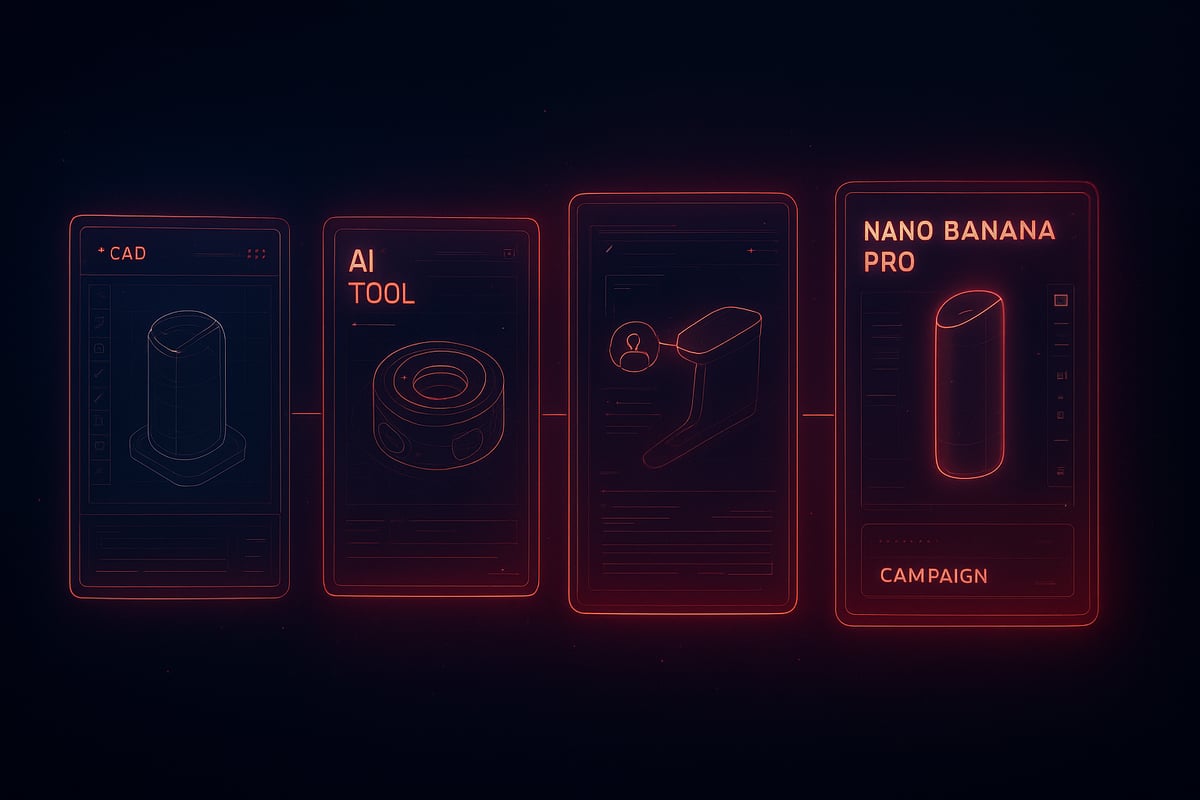
The earliest stages of ai in product design began in the 1990s with computer-aided design (CAD). CAD tools replaced hand sketches, giving teams precision and speed. By the 2000s, machine learning entered the scene, powering data analysis and predictive maintenance. As generative AI emerged, systems started creating multiple design options based on user-defined parameters.
Automotive companies, for example, used generative design to optimize components for cost and efficiency. This shift reduced manual bottlenecks while expanding creative boundaries. Today, the blend of human creativity and algorithmic power defines the core of ai in product design.
Milestones in AI-Driven Design Tools
The last decade brought a surge of tools that changed the landscape of ai in product design. Platforms like Figma, Claude, and ChatGPT made ideation and prototyping more accessible. A standout innovation is Nano Banana Pro, an AI model that generates campaign-ready product images at scale. Startups now quickly create visuals to test and promote new ideas.
Integration of these AI tools into mainstream design platforms allows for real-time collaboration and faster asset generation. For a deeper look at how innovation is shaping this field, see the Product Design and Innovation Guide.
Changing Roles: Designers as Hybrid Creators
With the evolution of ai in product design, the designer’s role is more versatile than ever. AI lowers technical barriers, empowering creators to prototype and iterate using natural language, not just code. The rise of designer-engineer hybrids means teams move from idea to functional prototype in record time.
Prompt-based workflows give designers independence and enable rapid experimentation. This democratization fosters a new era of creativity, where anyone with a vision can contribute and innovate.
Core AI Workflows in Product Design: 2026 Edition
The workflows for ai in product design have evolved dramatically, reshaping how teams approach every stage of the creative process. In 2026, AI is not just an assistant but a central driver of research, ideation, prototyping, and deployment. Let’s break down the four core steps that define modern product design, powered by advanced AI tools.
Step 1: AI-Driven Research & Ideation
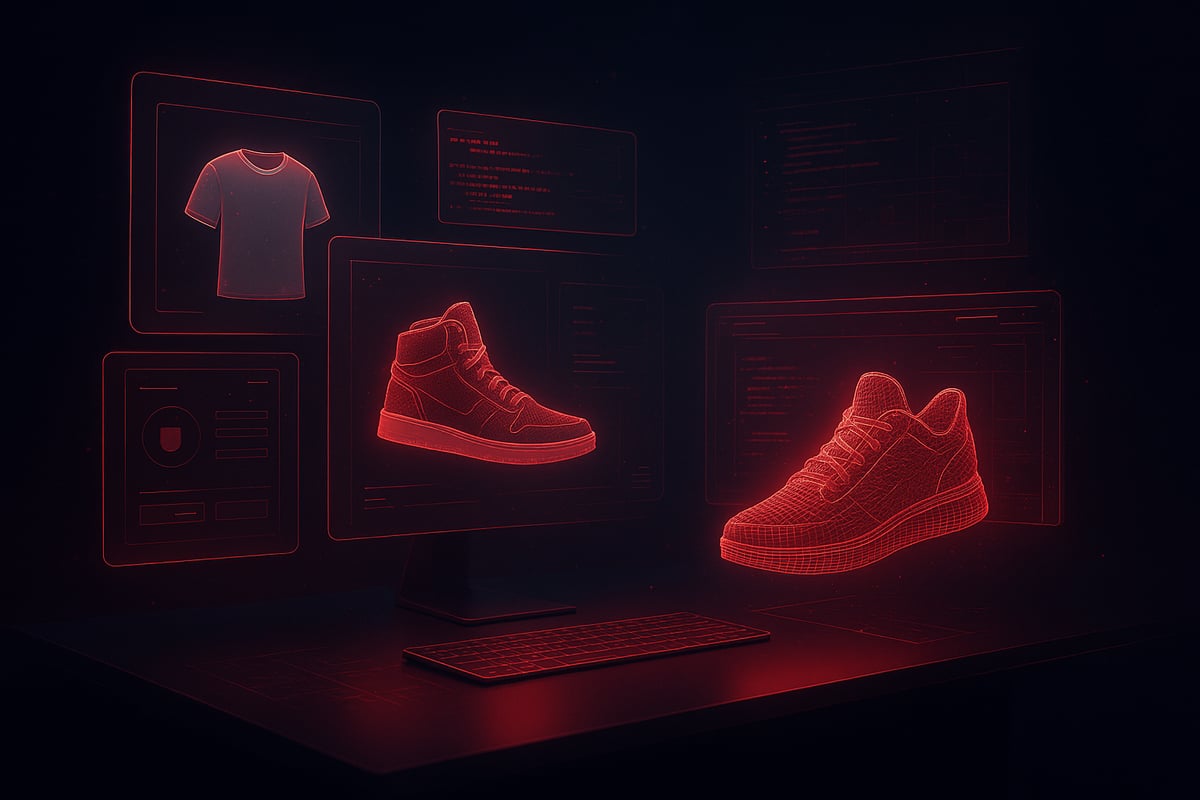
The first step of ai in product design is leveraging machine learning to uncover insights that drive innovation. AI analytics sift through massive datasets, surfacing user preferences, pain points, and emerging market trends.
Teams now use algorithms to identify gaps in the competitive landscape and spot new product opportunities. Generative AI tools can suggest fresh design directions based on real-time social data, accelerating the idea-to-concept phase.
For example, AI can analyze competitor pricing and user sentiment to inform your go-to-market strategy. This approach gives startups and enterprises a strategic edge, ensuring each new product is grounded in actionable insights.
Step 2: Brainstorming with Generative AI
Modern ai in product design thrives on rapid, collaborative brainstorming. With generative AI, teams instantly produce text, image, and video mockups, transforming ideas into visual assets in seconds.
Nano Banana Pro is a standout tool, enabling designers to generate high-fidelity product images for campaign testing with minimal effort. AI assistants like Claude and ChatGPT also join these sessions, sparking inspiration and iterating on concepts.
For a deep dive into how Nano Banana Pro is redefining AI-powered image creation, see Nano Banana AI Image Creation. These innovations streamline workflows and let teams focus on strategy rather than manual production.
Step 3: Prototyping & Iteration
Once ideas take shape, ai in product design enables fast, data-driven prototyping. Tools like Figma’s AI integrations allow teams to build and refine prototypes across multiple devices without writing code.
Automated A/B testing and instant user feedback analysis empower designers to make informed decisions quickly. For example, AI can create responsive layouts for web, mobile, and tablet platforms in real time.
This workflow shortens iteration cycles and ensures every design adapts to user needs. The result is a more agile process, where teams can refine ideas based on live data, not guesswork.
Step 4: Deployment & Real-Time Optimization
The final stage of ai in product design is seamless deployment and ongoing optimization. AI tools now automate launch processes, scale digital products, and monitor user engagement continuously.
Personalization engines adapt user experiences on the fly, recommending enhancements based on live analytics. For example, AI can suggest new features or UI tweaks after launch, driven by actual user behavior.
This cycle of real-time analysis and rapid improvement sets a new standard for product teams, making continuous growth and adaptation more achievable than ever.
Leading AI Tools & Platforms for Product Designers
AI in product design has reached a turning point, with the toolkit expanding faster than ever. Designers now wield a powerful suite of platforms, each tuned to streamline visual creation, collaboration, automation, and content development. Let us explore the top tools shaping the future of product design workflows.
Generative AI for Visual Content Creation
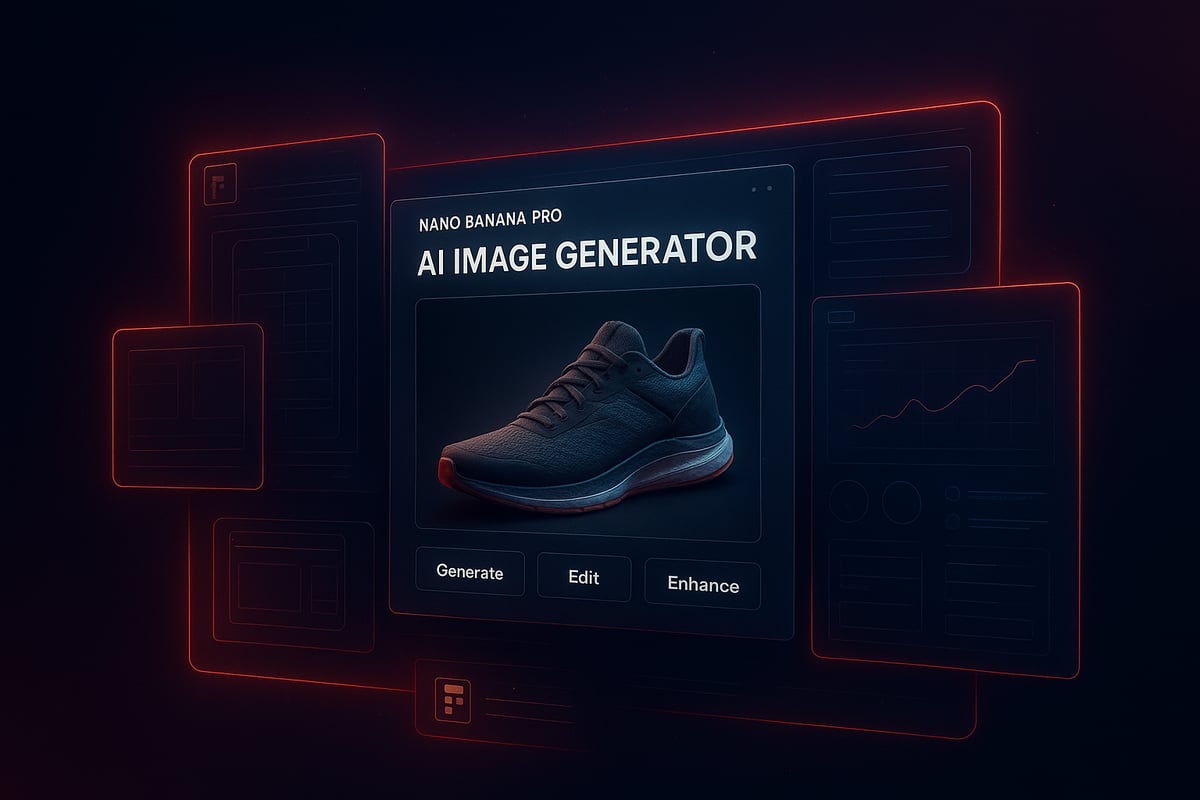
Generative AI is redefining how teams approach campaign visuals. Tools like Nano Banana Pro enable designers to instantly create campaign-ready product images, high-impact renders, and marketing assets. These platforms use deep learning models to turn ideas into stunning visuals, empowering designers to scale content production without traditional bottlenecks.
Startups and enterprises alike rely on these solutions for A/B testing, digital campaigns, and product launches. As of 2025, over 34 million AI-generated images are created daily, proving their central role in modern workflows. For a comprehensive overview of essential solutions, see Top AI Tools for Designers 2026.
Collaborative Design Platforms with AI Integration
Collaboration is key in ai in product design, and today’s platforms are built with that in mind. Figma leads the way with AI-powered features for layout suggestions and automated prototyping, making teamwork seamless. Claude and ChatGPT act as virtual collaborators, brainstorming ideas or generating content on demand.
Framer’s AI-assisted workflows also help designers build scalable web experiences quickly. These integrations let teams iterate in real time, breaking down silos and accelerating the path from concept to launch.
Automation & Workflow Optimization Tools
Automation is an essential pillar of ai in product design. Project management tools now use AI to automate repetitive tasks, manage schedules, and streamline feedback loops. Real-time dashboards powered by AI give instant insights into user behavior, helping teams make informed design decisions on the fly.
By automating routine work, designers can focus on creative problem-solving. This shift increases productivity while reducing the risk of burnout, letting small teams achieve big results.
AI in Content, Video, and Motion Design
Content creation in ai in product design now covers more than static images. AI-assisted video and motion graphic tools allow teams to produce dynamic product launches and compelling brand stories. These platforms integrate with marketing systems, ensuring visual consistency across every channel.
Designers can generate animations or short videos from prompts, saving hours of manual effort. The result is a more engaging user experience and a unified brand presence, all powered by the latest advances in AI.
Industry Use Cases: AI Transforming Product Design
AI in product design is rapidly changing how teams create, personalize, and launch new products. Across industries, innovative use cases are emerging, showing the true power of AI-driven workflows.
User Experience (UX) & Personalization
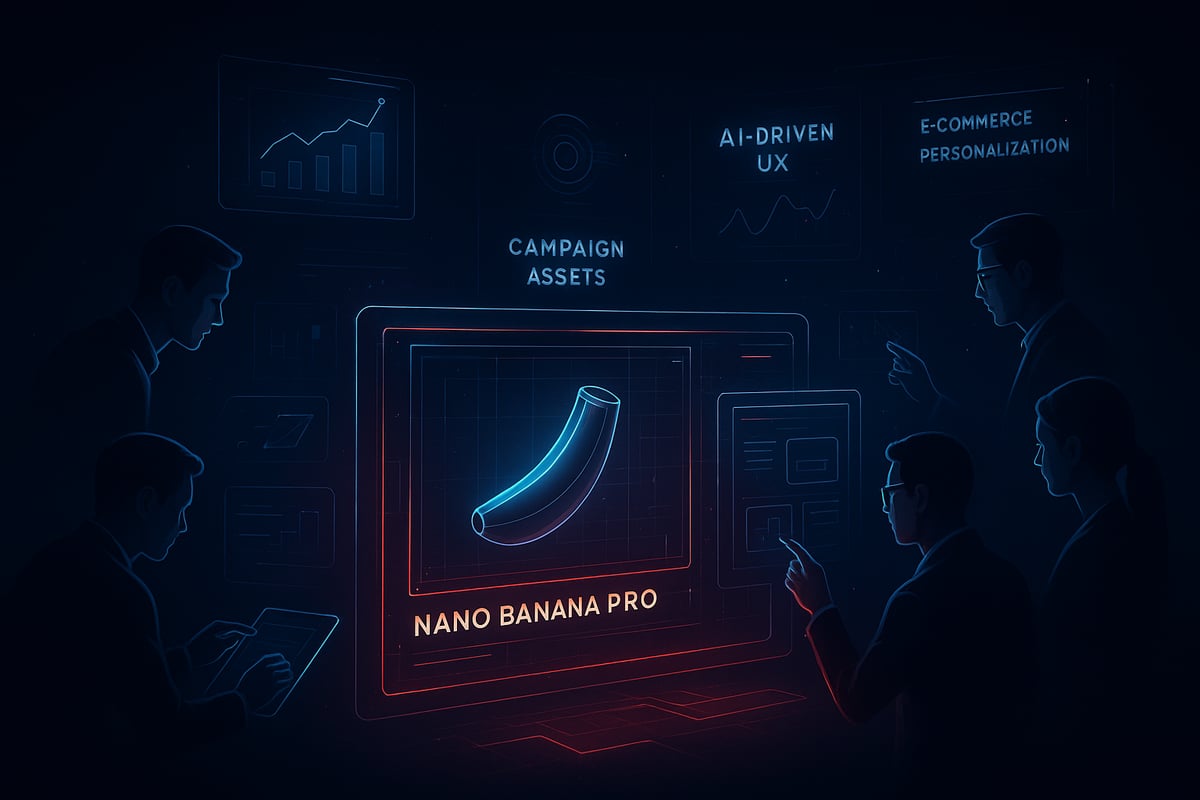
AI in product design is revolutionizing how teams approach user experience. Advanced models can now generate wireframes from quick sketches, animate static mockups, and adapt interfaces in real time. This means digital products become more personalized, responding to user behavior almost instantly.
For example, e-commerce platforms use AI to recommend tailored products, directly increasing engagement and conversion rates. These innovations make design more dynamic and user-centric.
Content Creation & Campaign Assets
AI in product design also supercharges marketing and campaign asset creation. Generative tools like Nano Banana Pro allow teams to produce high-quality product images at scale, perfect for A/B testing or launching new campaigns.
With minimal manual effort, designers can quickly iterate campaign visuals, adapting to market trends and user feedback. According to recent stats, over 15 billion AI-generated images have been created since 2022, highlighting the scale and speed now possible.
Resource Optimization for Startups
Startups often face limited resources, but AI in product design levels the playing field. Automation of design systems, templates, and collaboration tools enables small teams to compete with larger organizations.
AI-powered dashboards provide real-time insights, so teams can adjust strategies quickly. This not only boosts productivity but also allows startups to scale design output without growing their headcount.
Automotive & Industrial Design
The impact of AI in product design extends to automotive and industrial sectors. Machine learning models are optimizing vehicle components for efficiency, safety, and user satisfaction.
AI-driven simulations let engineers and designers test ideas virtually, reducing prototyping costs and speeding up time to market. The result is smarter, more efficient products delivered faster than ever before.
E-commerce & Digital Products
E-commerce and digital product teams are harnessing AI in product design to transform how they research users and improve interfaces. AI analyzes customer data, revealing patterns and recommending UI enhancements that drive sales.
For a deeper dive into how AI is shaping digital product experiences, check out this guide on AI Website Design in 2025. These advances empower teams to deliver more personalized, engaging products that adapt as user needs evolve.
Innovation Trends Shaping AI in Product Design for 2026
The pace of ai in product design is accelerating rapidly, and 2026 will be a pivotal year for breakthrough innovation. Designers and teams are navigating a landscape shaped by new AI capabilities, shifting roles, and evolving creative possibilities. Let’s dive into the key trends redefining how products are imagined and built.
Rise of Agentic AI & Autonomous Design Systems
Agentic AI is emerging as a game-changer in ai in product design. Unlike generative models, agentic AI can reason, adapt, and use various tools to accomplish complex design tasks independently. This means AI is no longer just a creative assistant but is becoming a true partner that can drive goal-oriented automation.
For instance, agentic AI systems can generate, test, and refine design concepts with minimal human input. According to Design Trends 2026, nearly 80 percent of boardrooms are leveraging generative AI, signaling a shift toward broader adoption of autonomous systems.
Real-Time Personalization & Adaptive Experiences
Personalization is at the heart of modern ai in product design. AI-driven tools now tailor digital experiences in real time, reacting instantly to live customer data and behavioral cues. E-commerce platforms, for example, dynamically adjust interfaces for each visitor, improving satisfaction and conversion rates.
Nano Banana Pro stands out here, enabling teams to create AI product images that can be instantly adapted to target audience segments or campaign goals. This level of agility ensures brands stay relevant and user-centric.
Democratization & Accessibility of Design Tools
A major trend in ai in product design is the removal of technical barriers. No-code AI platforms and prompt-based prototyping allow non-technical creators to bring ideas to life, fostering the rise of designer-engineer hybrid roles. This democratizes access, making sophisticated design tools available to a wider audience.
As highlighted in AI's Impact on Contemporary Craft, AI is evolving creative practices and making design more accessible and collaborative.
Transformation of High-Fidelity Prototyping
AI is revolutionizing prototyping by generating near-production-ready models from simple prompts or sketches. Tools like Nano Banana Pro empower designers to produce campaign-ready product visuals rapidly, streamlining the feedback loop and cutting down manual iteration.
The shift from pixel-perfect manual work to AI-accelerated workflows is helping teams iterate faster and focus on strategic objectives rather than execution details.
Evolving Collaboration Between Designers & AI
Collaboration is changing as AI becomes a creative partner in ai in product design. Designers are focusing more on vision and strategy while AI handles the execution, iteration, and technical details. This synergy enables teams to solve problems more creatively and efficiently.
The relationship is not about replacement but augmentation—AI amplifies human creativity and accelerates the path from concept to launch.
Upskilling & Continuous Learning
With the evolution of ai in product design, continuous learning is essential. AI-powered training tools now provide real-time feedback, helping designers and teams stay ahead of the curve. Key skills like prompt engineering, data literacy, and cross-functional collaboration are becoming critical.
As AI tools and workflows keep advancing, those who prioritize ongoing upskilling will lead the next wave of innovation.
The Future of Product Design Roles & Team Structures
The rapid evolution of ai in product design is reshaping how teams collaborate, create, and deliver value. As AI tools become central to workflows, new hybrid roles, skillsets, and partnerships are emerging. Let's explore how these shifts are redefining the future of design teams.
The Designer-Engineer Hybrid
The rise of ai in product design is fueling the emergence of designer-engineer hybrids. These professionals blend creative vision with technical execution, using prompt engineering to turn ideas into functional prototypes. Tools like Nano Banana Pro empower them to generate campaign-ready product images and iterate quickly, minimizing the need for deep coding expertise.
This shift enables designers to move from concept to execution in minutes, increasing independence and accelerating the creative process.
AI as a Junior Developer & Collaborator
Today's AI tools act as junior developers, automating repetitive tasks and supporting collaboration across teams. With platforms integrating AI-powered handoff processes, such as those detailed in the Figma to Framer Design Handoff, teams experience fewer bottlenecks and faster iteration cycles.
AI collaborates with designers, analyzing feedback and refining prototypes, which leads to more dynamic, cross-functional workflows.
Strategic Focus Over Technical Execution
As ai in product design handles technical and routine tasks, designers can prioritize vision, user needs, and business strategy. The focus shifts from mastering every tool to understanding user journeys and solving real problems.
This transition fosters a culture where creativity and critical thinking take center stage, while AI manages the heavy lifting behind the scenes.
Continuous Improvement & Outcome-Driven Design
AI continuously analyzes real-time user data and recommends feature enhancements post-launch. This outcome-driven approach keeps products relevant and adaptive, allowing quick pivots based on market feedback.
Designers leverage ai in product design to monitor performance, test new ideas, and implement improvements with unprecedented speed.
Implications for Startups and Enterprises
For startups, ai in product design levels the playing field, enabling small teams to compete with industry giants through rapid prototyping and agile launches. Enterprises benefit from scalable, AI-powered systems that drive innovation and efficiency.
The integration of generative AI and robotics, as explored in Industry 6.0 and Generative AI, signals a future where design and manufacturing are seamlessly automated.
Key Skills for the AI-Driven Design Era
To thrive in this new landscape, designers must master prompt engineering, data literacy, and cross-functional collaboration. Upskilling is essential, as ai in product design continues to evolve and reshape industry standards.
Continuous learning and adaptability ensure teams remain competitive, creative, and ready for the next wave of AI-powered innovation.
As we look ahead to 2026, it’s clear that AI is transforming every step of product design—from research and ideation to prototyping and launch. If you’re excited about harnessing these innovation trends for your own startup or next big idea, let’s connect. At Embark Studio, we work side by side with founders and product teams to design and build high-performance digital experiences, using modern AI-powered workflows that help you move faster and scale smarter. Curious what this could look like for you? Book a free discovery call and let’s explore your vision together: Book a Free Discovery Call

Written by
James Rhodes
Founder and Lead AI Design Engineer at Embark Studio. Former Art Director at adidas and former Director of E-commerce and Digital Marketing at Roots. James directs every Embark engagement. About Embark
Get articles like this in your inbox
Practical design and growth insights for founders. No spam, unsubscribe anytime.


